The Art of Lubrication: A Comprehensive Guide to Keeping Your Vehicle in Top Shape
In the realm of automotive maintenance, lubrication is often overshadowed by more visible tasks like tire rotations or brake inspections. However, the intricate dance of fluids and lubricants within your vehicle is the unsung hero that ensures its smooth operation and longevity. From the heart of your engine to the quiet corners of your transmission, every nook and cranny is kept in check by a symphony of specialized fluids. This comprehensive guide delves into the world of lubrication, exploring the various fluids, their roles, and the importance of regular maintenance.
Synthetic Motor Oil: The Backbone of Engine Performance
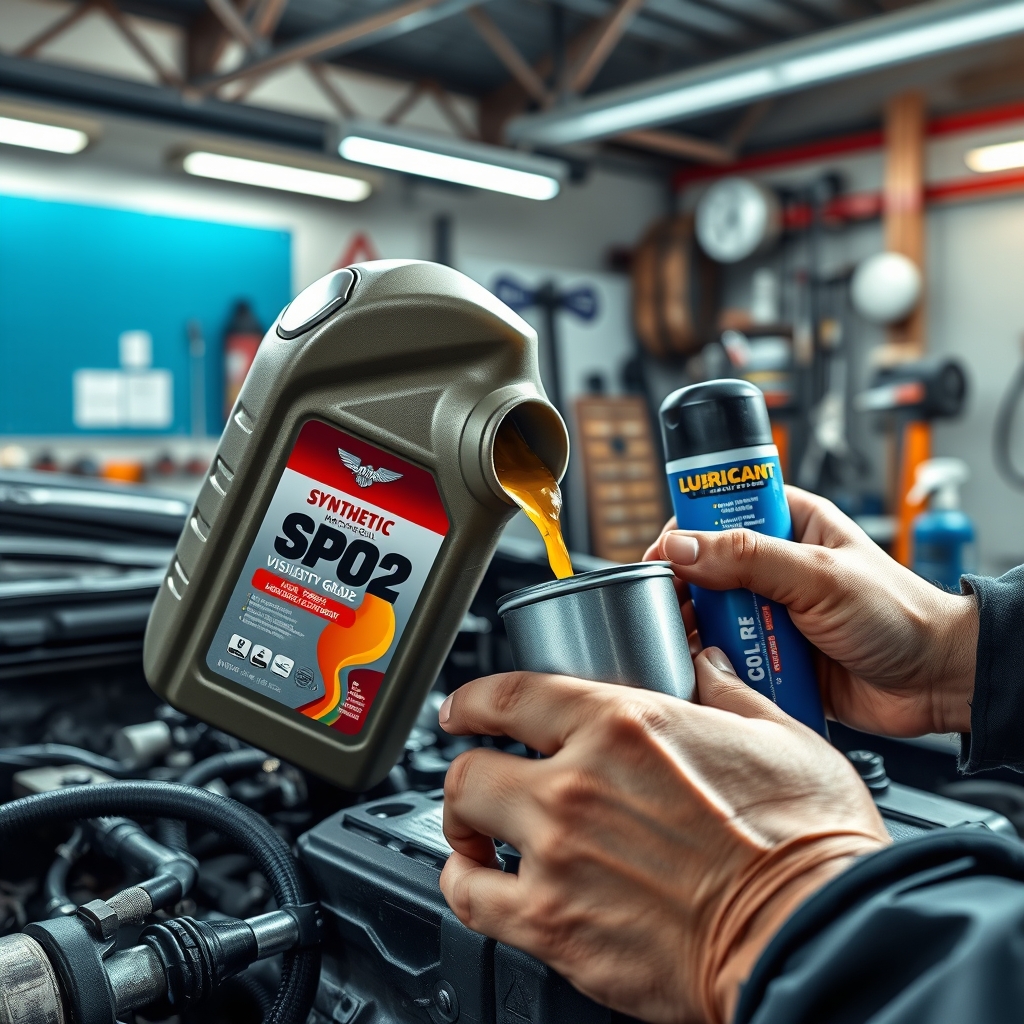
At the core of every engine lies a vital component that often goes unnoticed until it’s time for a change: motor oil. Synthetic motor oil, in particular, has revolutionized the automotive industry with its superior performance and protection capabilities. Unlike conventional oil, synthetic motor oil is engineered to meet stringent standards, offering enhanced protection against engine wear, heat, and contamination. It’s particularly beneficial for high-mileage vehicles, where conventional oil may struggle to provide adequate protection.
Choosing the Right Oil Viscosity Grade
Selecting the appropriate oil viscosity grade is crucial for optimal engine performance. The grade is denoted by two numbers, such as 5W-30, where the first number indicates the oil’s cold-weather performance, and the second number represents its high-temperature performance. For instance, a 5W-30 oil is suitable for colder climates, while a 10W-40 might be more appropriate for warmer regions. Always consult your vehicle’s owner’s manual for the recommended oil type and grade.
Engine Oil Change: A Routine but Critical Task
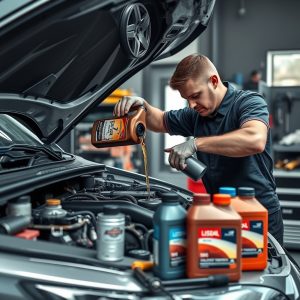
Regular engine oil changes are a cornerstone of vehicle maintenance. They not only ensure the engine runs smoothly but also prevent the buildup of harmful sludge and deposits. During an oil change, the old oil is drained, the oil filter is replaced, and fresh oil is added. It’s recommended to follow the manufacturer’s guidelines, typically every 5,000 to 10,000 miles, but high-mileage vehicles or those subjected to harsh conditions may require more frequent changes.
Car Oil Filter: The Guardian of Clean Oil
The oil filter is a critical component that traps contaminants and ensures clean oil circulates through the engine. Over time, it becomes clogged with debris, reducing its effectiveness. Replacing the oil filter during an oil change is essential for maintaining optimal engine performance. High-quality filters, such as synthetic or full-flow filters, can provide superior protection and extend the intervals between changes.
Transmission Fluid Service: Ensuring Smooth Gear Shifts
Beyond the engine, the transmission system relies on a specialized fluid to ensure smooth and efficient operation. Transmission fluid, often referred to as gear oil, lubricates the gears and clutches, preventing wear and tear. Regular transmission fluid service, including fluid changes and filter replacements, is crucial for maintaining optimal performance and extending the life of the transmission.
Differential Fluid Change: The Unsung Hero of Drivetrain Performance
The differential fluid, responsible for lubricating the differential gears, plays a vital role in ensuring smooth and efficient power transfer from the transmission to the wheels. Over time, differential fluid can become contaminated and degraded, leading to increased wear and potential drivetrain issues. Regular differential fluid changes and filter replacements are essential for maintaining optimal drivetrain performance.
Steering Fluid Flush: Keeping Your Steering System in Top Shape
The steering system relies on a specialized fluid to ensure smooth and responsive operation. Over time, steering fluid can become contaminated and degraded, leading to increased wear and potential steering system issues. Regular steering fluid flushes and replacements are essential for maintaining optimal steering system performance.
Brake Fluid Service: The Lifeline of Your Braking System
The braking system relies on a specialized fluid to ensure effective and safe operation. Over time, brake fluid can become contaminated and degraded, leading to reduced braking performance and potential safety risks. Regular brake fluid service, including fluid changes and system flushes, is essential for maintaining optimal braking system performance and ensuring the safety of you and your passengers.
Chassis Lubrication: The Secret to Smooth Suspension and Steering
The chassis of your vehicle is a complex network of components that work together to ensure smooth and stable operation. Chassis lubrication involves the application of specialized lubricants to various components, such as the suspension, steering, and drivetrain, to ensure smooth operation and prevent wear and tear. Regular chassis lubrication is essential for maintaining optimal vehicle performance and extending the life of critical components.
Engine Sludge Cleaner: The Powerhouse of Engine Cleanliness
Over time, engines can accumulate a buildup of sludge and deposits, which can lead to reduced performance and potential engine damage. Engine sludge cleaners are specialized additives designed to break down and remove these harmful deposits, restoring the engine to optimal condition. Regular use of engine sludge cleaners can help maintain cleanliness and extend the life of your engine.
Fuel Additive Treatment: The Secret Weapon of Engine Performance
Fuel additives are specialized treatments designed to enhance the performance and cleanliness of your engine. They can improve fuel economy, reduce emissions, and protect against engine wear and deposits. Regular use of fuel additives can help maintain optimal engine performance and extend the life of your vehicle.
Oil Leak Sealer: The Quick Fix for Persistent Leaks
Oil leaks can be a common and frustrating issue, often resulting from worn or damaged components. Oil leak sealers are specialized products designed to temporarily seal leaks, allowing you to continue driving while you address the underlying issue. However, it’s essential to use oil leak sealers as a temporary solution and not as a long-term fix.
Ceramic Lubricant Spray: The Ultimate in Lubrication Technology
Ceramic lubricant sprays are advanced lubricants designed to provide superior protection and performance in high-stress environments. They are often used in applications where traditional lubricants may struggle to provide adequate protection, such as high-performance engines or heavy-duty equipment. Regular use of ceramic lubricant sprays can help maintain optimal performance and extend the life of critical components.
Grease Gun Kit: The Essential Tool for Precision Lubrication
Grease gun kits are essential tools for applying specialized greases to various components, such as wheel bearings, CV joints, and other high-stress areas. They allow for precise and controlled application, ensuring optimal lubrication and preventing wear and tear. Regular use of grease gun kits can help maintain optimal performance and extend the life of critical components.
In conclusion, the world of lubrication is vast and complex, with each fluid and lubricant playing a crucial role in ensuring the smooth and efficient operation of your vehicle. From the heart of your engine to the quiet corners of your transmission, every nook and cranny is kept in check by a symphony of specialized fluids. Regular maintenance and the use of high-quality fluids and lubricants are essential for maintaining optimal vehicle performance and extending the life of your vehicle. By understanding the importance of lubrication and the various fluids and lubricants involved, you can ensure that your vehicle remains in top shape for years to come.