The Engine’s Evolution: How Adaptive Fuel Systems Are Redefining Efficiency and Sustainability
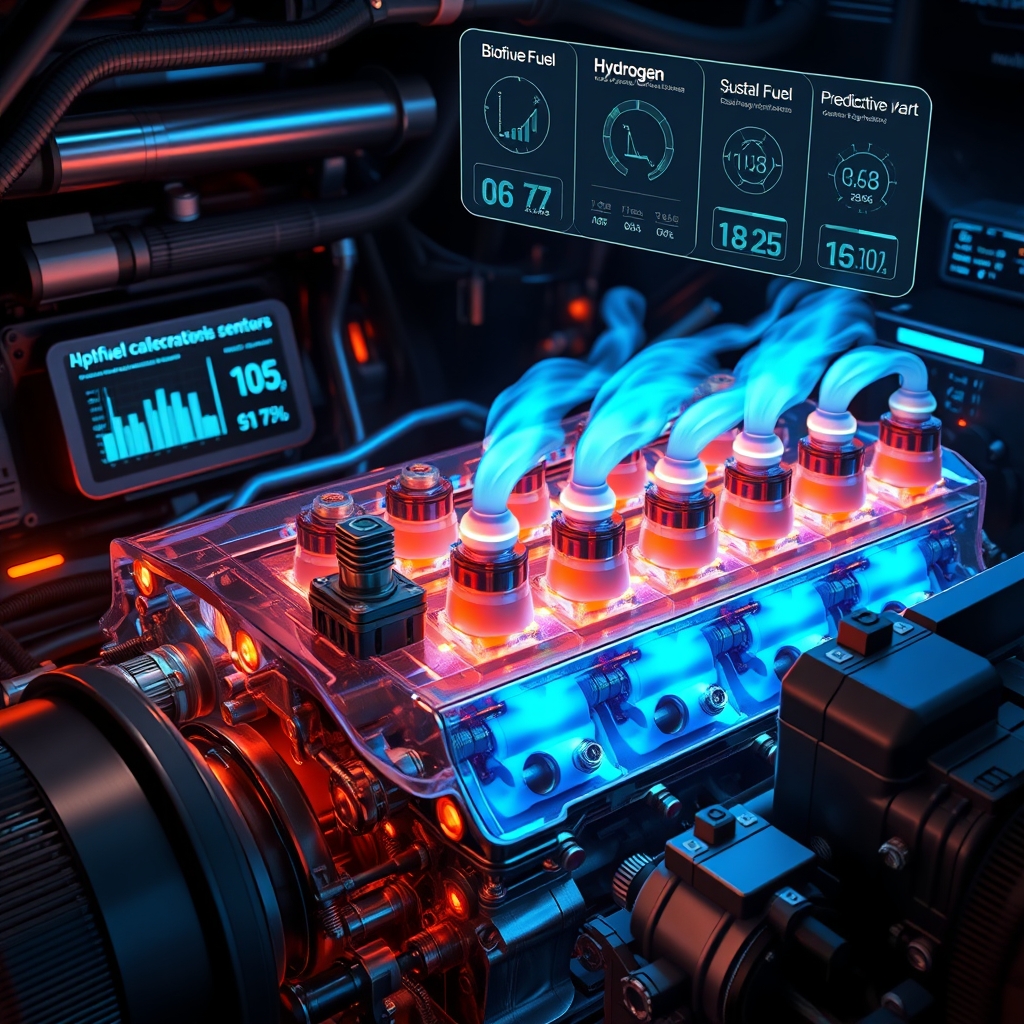
The modern engine is no longer just a mechanical marvel—it’s a dynamic, intelligent system that adapts in real time to deliver unparalleled efficiency and performance. At the heart of this transformation lies a suite of advanced technologies, from adaptive fuel injection to predictive engine performance analytics, all working in harmony to optimize every drop of fuel. These innovations are not just enhancing power delivery; they’re redefining what it means to operate an engine with precision, sustainability, and intelligence.
The Science of Optimized Combustion Efficiency
Combustion efficiency has always been the cornerstone of engine performance, but traditional methods often relied on static calibrations that couldn’t account for real-world variables. Today, advanced combustion analysis leverages high-speed sensors and machine learning to monitor and adjust combustion parameters in real time. By analyzing factors like air-fuel ratio, ignition timing, and cylinder pressure, these systems ensure that fuel is burned as efficiently as possible, minimizing waste and maximizing power output.
One of the most significant breakthroughs in this space is adaptive fuel injection, which dynamically adjusts the fuel delivery based on engine load, temperature, and driving conditions. Unlike conventional systems that operate on fixed maps, adaptive injection systems use feedback from sensors to fine-tune fuel delivery, ensuring optimal combustion under all conditions. This not only improves thermal efficiency but also reduces harmful emissions, making engines cleaner and more sustainable.
Real-Time Fuel Monitoring: The Eyes and Ears of Modern Engines
Gone are the days when drivers had to rely on fuel gauges and rough estimates to manage their consumption. Real-time fuel monitoring systems provide a granular view of fuel usage, tracking everything from instantaneous consumption rates to long-term trends. These systems use a combination of flow sensors, pressure monitors, and onboard diagnostics to deliver actionable insights, helping drivers and fleet managers optimize fuel usage and reduce costs.
For commercial applications, this technology is a game-changer. Fleet operators can now identify inefficient driving behaviors, such as excessive idling or aggressive acceleration, and implement corrective measures. Over time, these adjustments lead to significant fuel savings and a reduced carbon footprint, aligning operational efficiency with environmental responsibility.
Predictive Analytics: The Engine’s Crystal Ball
Predictive engine performance is another frontier where data-driven insights are making a profound impact. By analyzing historical data and real-time inputs, these systems can forecast potential issues before they arise, enabling predictive maintenance that minimizes downtime and extends engine life. For example, if a sensor detects an irregularity in fuel pressure or combustion stability, the system can alert the operator to schedule maintenance before a minor issue escalates into a costly failure.
This proactive approach is particularly valuable in industries where engine reliability is critical, such as aviation, shipping, and heavy machinery. By leveraging data-driven fuel analytics, operators can not only prevent unexpected breakdowns but also optimize fuel consumption by ensuring that engines are always running at peak efficiency.
Sustainable Fuel Integration: The Path to Eco-Conscious Operation
As the world shifts toward sustainability, engines must evolve to accommodate a broader range of fuel sources, from biofuels to hydrogen. Sustainable fuel integration is no longer a futuristic concept—it’s a present-day necessity. Modern engines are being designed with flexible fuel systems that can seamlessly switch between different fuel types without compromising performance or efficiency.
For instance, adaptive fuel injection systems can adjust their parameters to accommodate the unique combustion characteristics of biofuels, ensuring that engines run smoothly regardless of the fuel source. Similarly, intelligent fuel management systems can optimize fuel blends in real time, balancing performance, emissions, and cost. This adaptability is crucial for industries looking to reduce their environmental impact while maintaining operational efficiency.
Precision Engine Tuning: The Art of Balance
Precision engine tuning has long been the domain of performance enthusiasts, but today’s tuning goes far beyond simple adjustments to air-fuel ratios. Modern tuning systems use responsive engine calibration to dynamically adjust a wide range of parameters, from ignition timing to turbocharger boost levels, based on real-time feedback. This ensures that engines deliver optimal performance across a variety of conditions, whether it’s a high-speed highway drive or a stop-and-go urban commute.
What sets today’s tuning apart is its integration with smart fuel consumption tracking. By continuously monitoring fuel usage and engine performance, these systems can make micro-adjustments that improve efficiency without sacrificing power. The result is an engine that feels responsive and powerful while also being incredibly efficient—a balance that was once thought impossible.
The Future of Engine Intelligence
The convergence of dynamic fuel optimization, predictive analytics, and sustainable fuel integration is creating a new paradigm for engine operation. These technologies are not just incremental improvements; they represent a fundamental shift in how engines are designed, operated, and maintained. As they become more widespread, we can expect to see engines that are not only more efficient and powerful but also more adaptable and environmentally friendly.
Imagine an engine that learns from every mile driven, adjusting its parameters to deliver the best possible performance while minimizing fuel consumption and emissions. This is no longer the stuff of science fiction—it’s the reality of today’s most advanced engines. By embracing these innovations, industries can reduce their operational costs, extend the lifespan of their equipment, and contribute to a more sustainable future. The engine of tomorrow is here, and it’s smarter, cleaner, and more efficient than ever before.
The journey toward eco-conscious engine operation is not just about adopting new technologies—it’s about rethinking the relationship between power, efficiency, and sustainability. As engines become more intelligent, they’re not just tools for transportation or industry; they’re partners in a larger mission to create a greener, more efficient world. The road ahead is paved with innovation, and the engines leading the way are those that can adapt, learn, and evolve in real time, proving that the future of efficiency is not just about doing more with less, but about doing it smarter.